Payments
Naipay Bank mobile app
Naipay is a micro-finance bank serving the underserved and unbanked, with a mobile app that puts everyday banking within reach. This case study walks through the design process, the strategies behind it and the final product.
- Project
- Naipay Mobile App
- Role
- Product Design & UX Writing
- Duration
- 4 weeks
Problem Statement
- Users find it difficult to navigate through multiple financial services and banking features.
- Users have limited knowledge about banking terminologies and services, making it challenging for them to engage with the app effectively.
- Users have reservations about the security of their financial data and transactions within the app.
- existing microfinance banking apps in the market are often complex and lack user-friendly interfaces.
Goals and Objectives
- Create an intuitive and user-friendly interface for seamless navigation and engagement.
- Incorporate modern design elements to establish Naipay as a trustworthy and innovative brand.
- Offer intuitive and engaging user experience.
- Enhance security features to instill confidence in users regarding their financial transactions.
- Streamline the financial transaction process to make it efficient and error-free.
Design Process
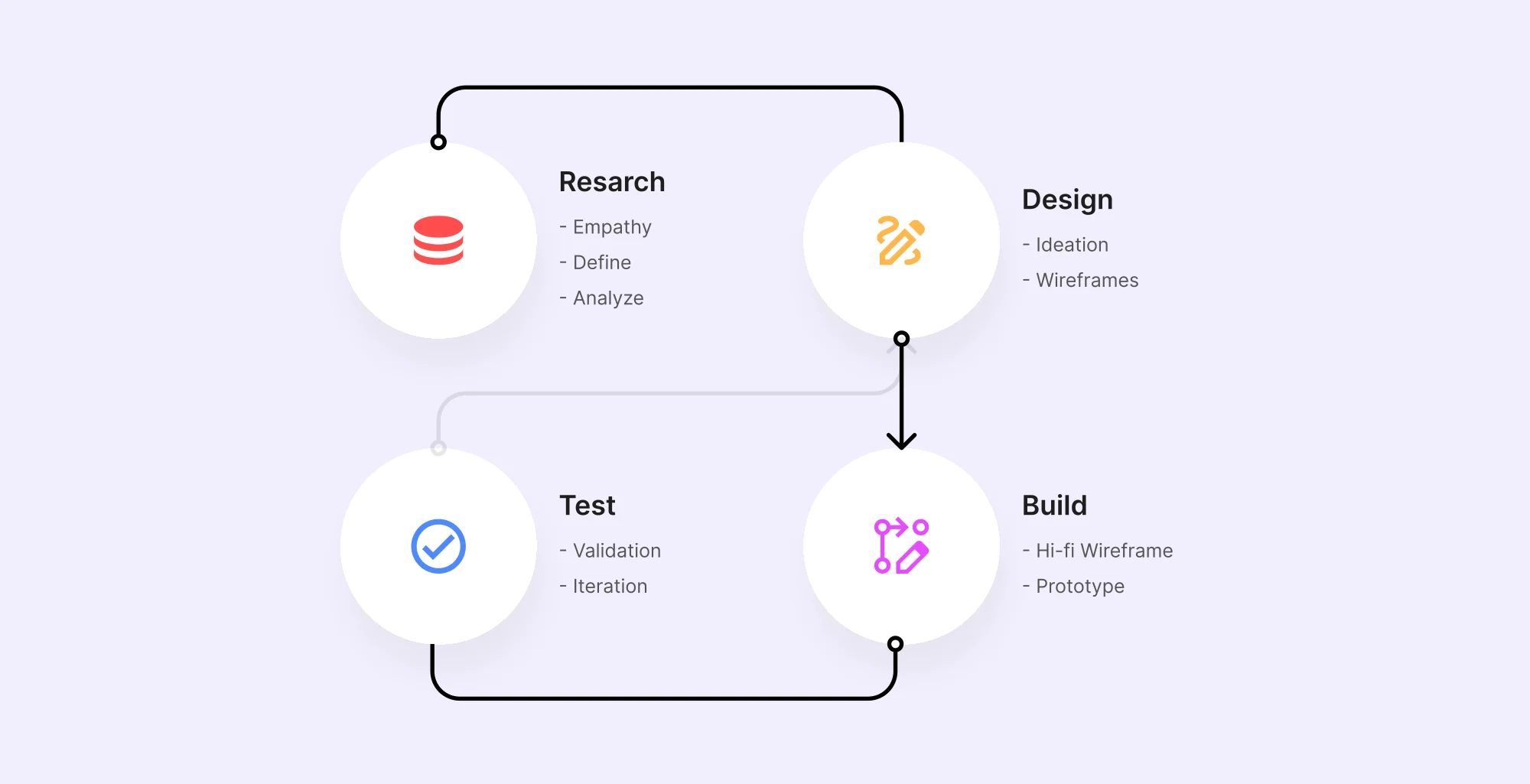
The design process followed an iterative approach, involving research design and continuous feedback loops with users. Each iteration involved user testing, prototyping, and changes of the design solutions based on user feedback and industry best practices.
Research and Discovery
Following a thorough research I gained a deep understanding of the target users, their needs, and the competitive landscape of existing fintech applications. The research phase included user interviews, surveys, and competitor analysis to identify pain points, common tasks, and feature expectations. The following key insights were identified:
- Users value simplicity, ease of use, and quick access to financial services.
- Trust and security are paramount for users when handling financial transactions.
- Users desire personalized features that cater to their specific financial goals.
- Trust and security are paramount when dealing with financial transactions and sensitive data.
Wireframing and Information Architecture
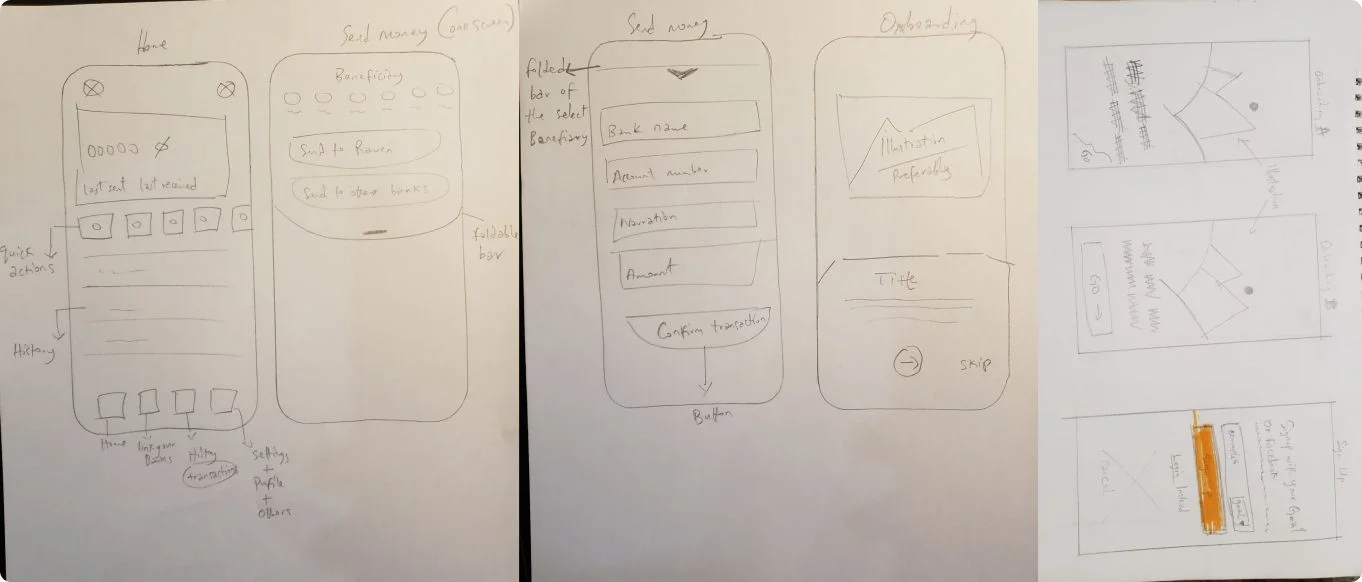
Based on the research findings, I developed the information architecture to ensure easy navigation and logical organization of features. Then, I created wireframes to visualize the app's structure and layout.
Colour and Typography
Final Designs
It is important to note that the process involved extensive analysis, and evaluation to ensure that all relevant factors were taken into account. By incorporating the latest trends and best practices in UX/UI design, the end result has been optimized to provide an exceptional user experience that meets the ever-evolving needs and expectations of the target audience and catering for ease-of-use.
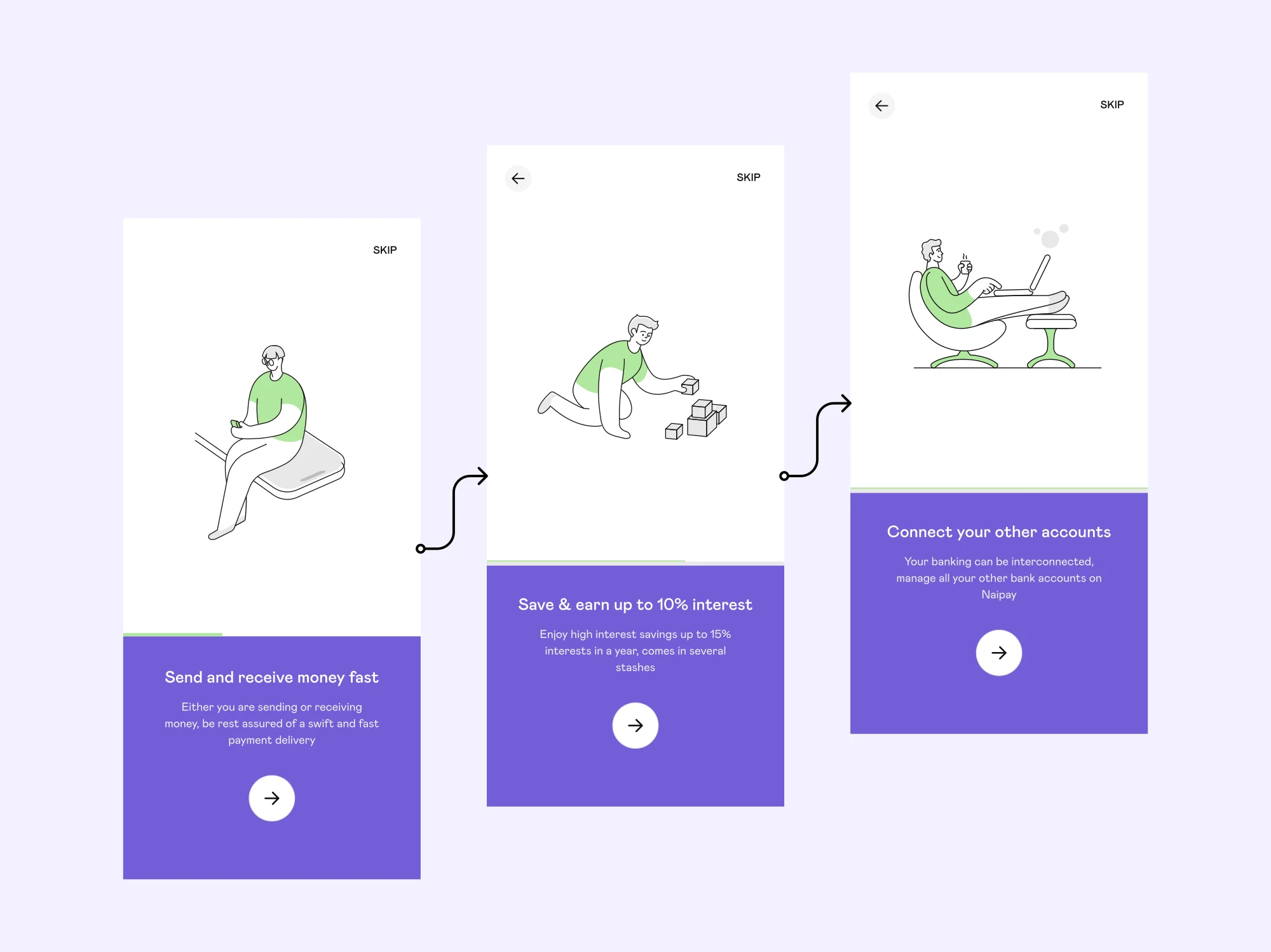
Onboarding flow
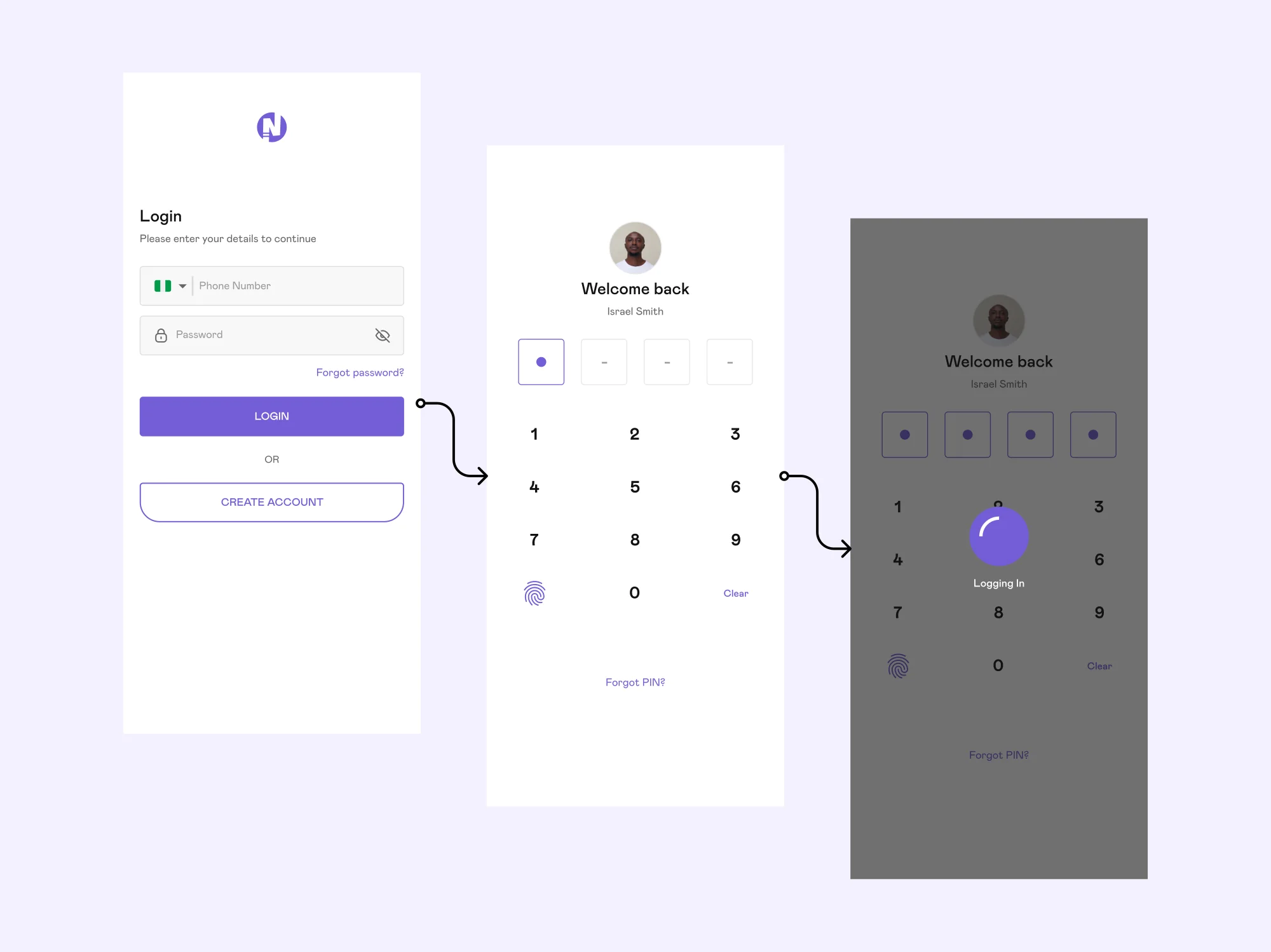
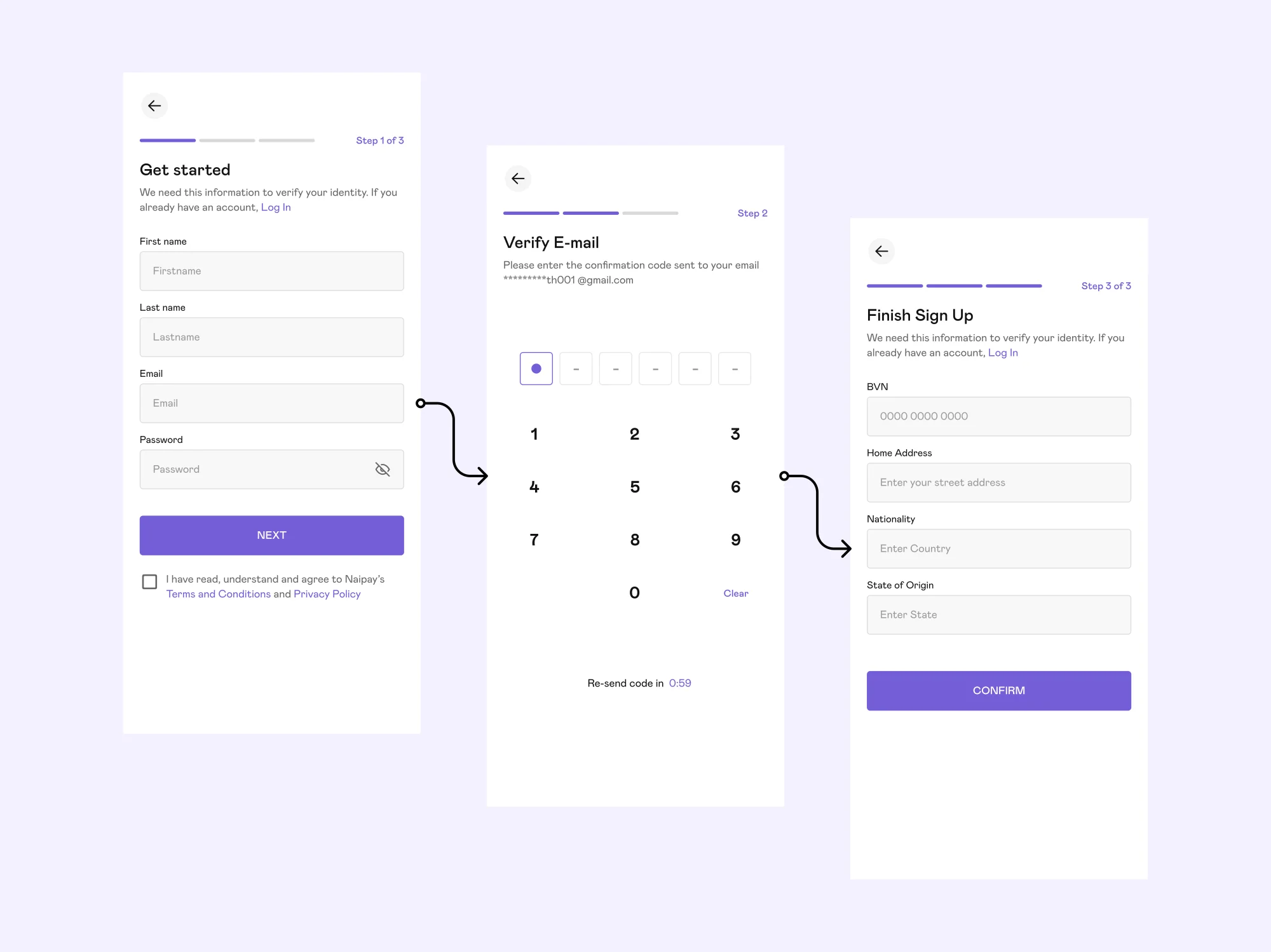
Login and signup flow
Home & action buttons
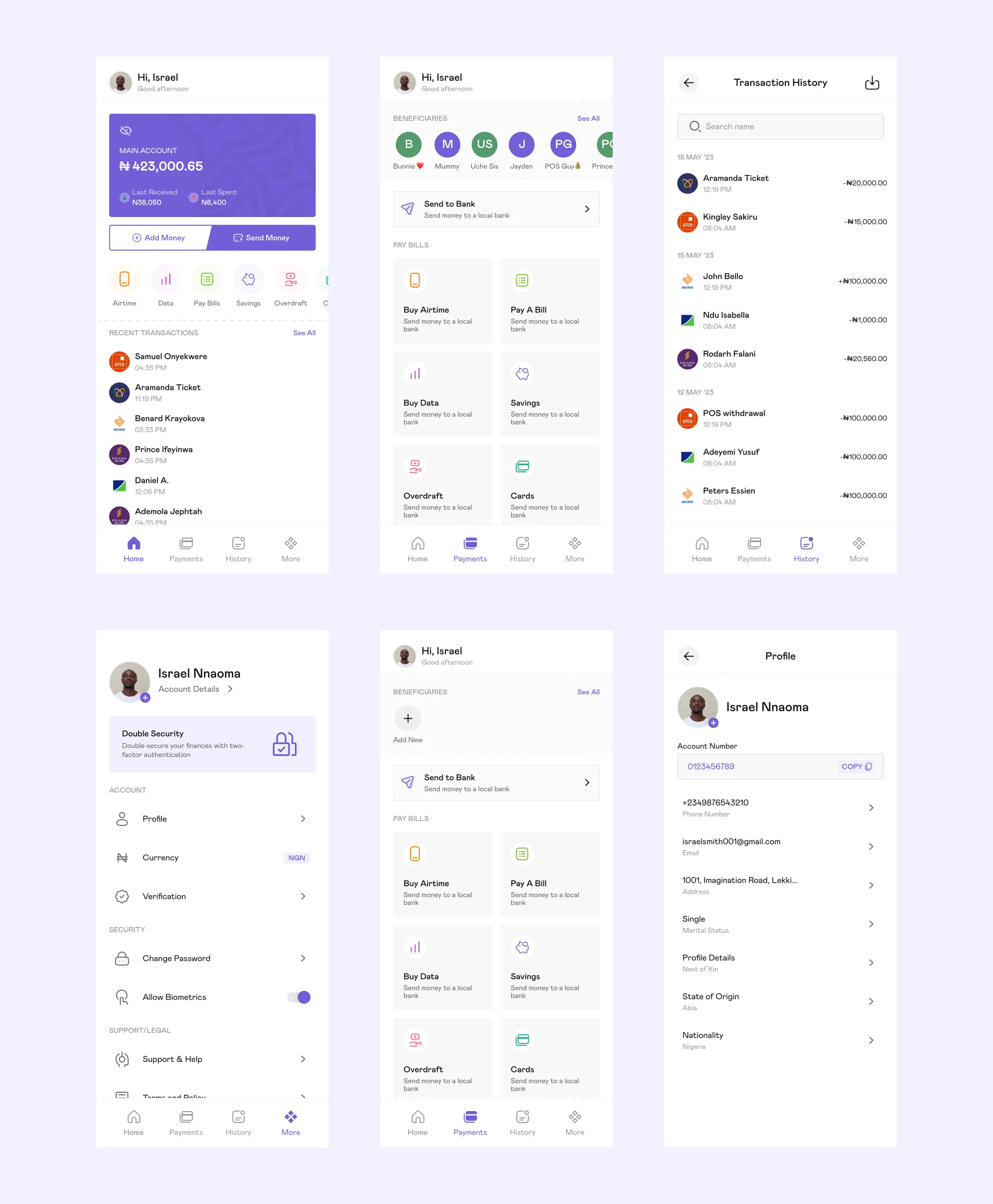
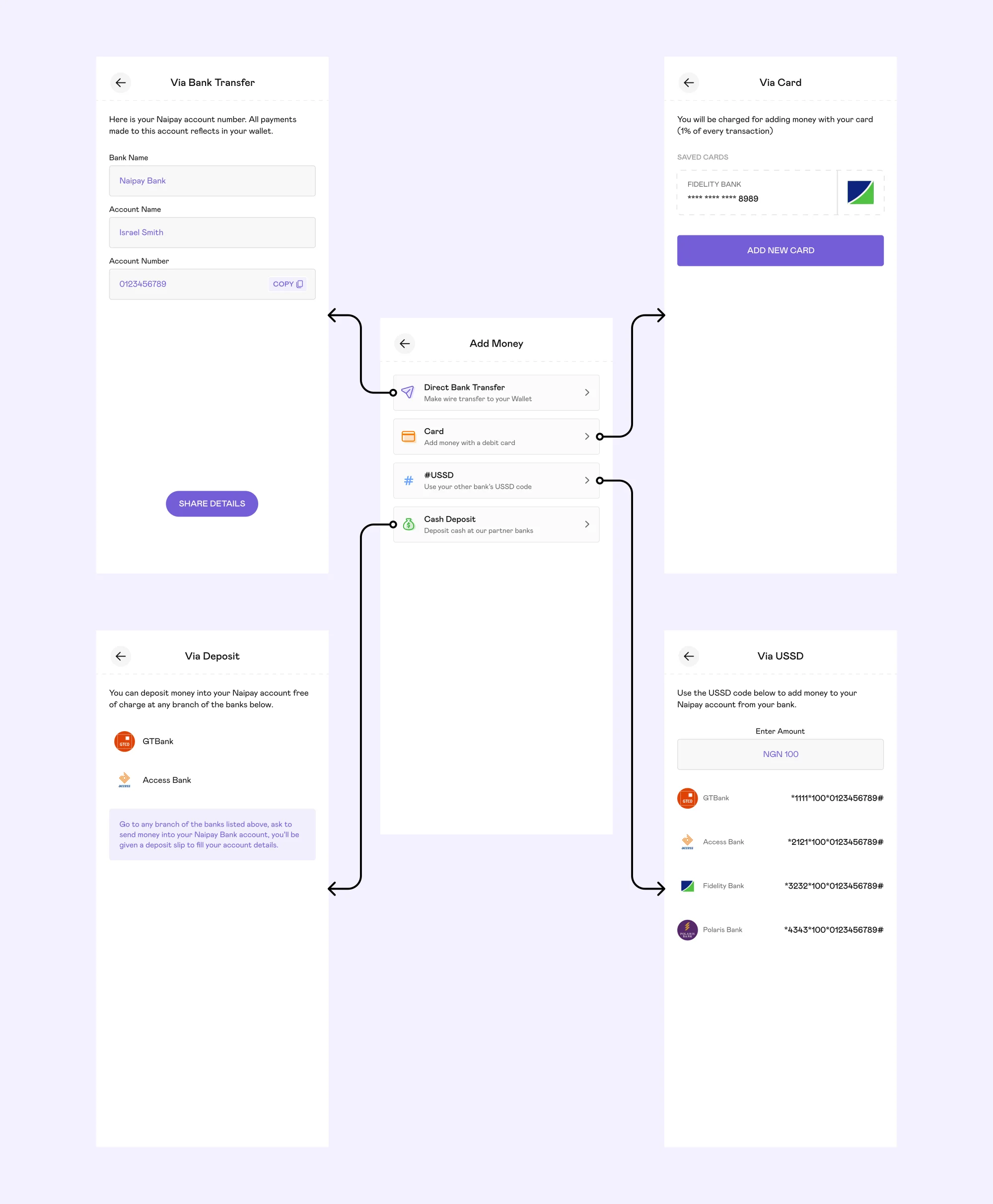
Add money options (funding wallet)
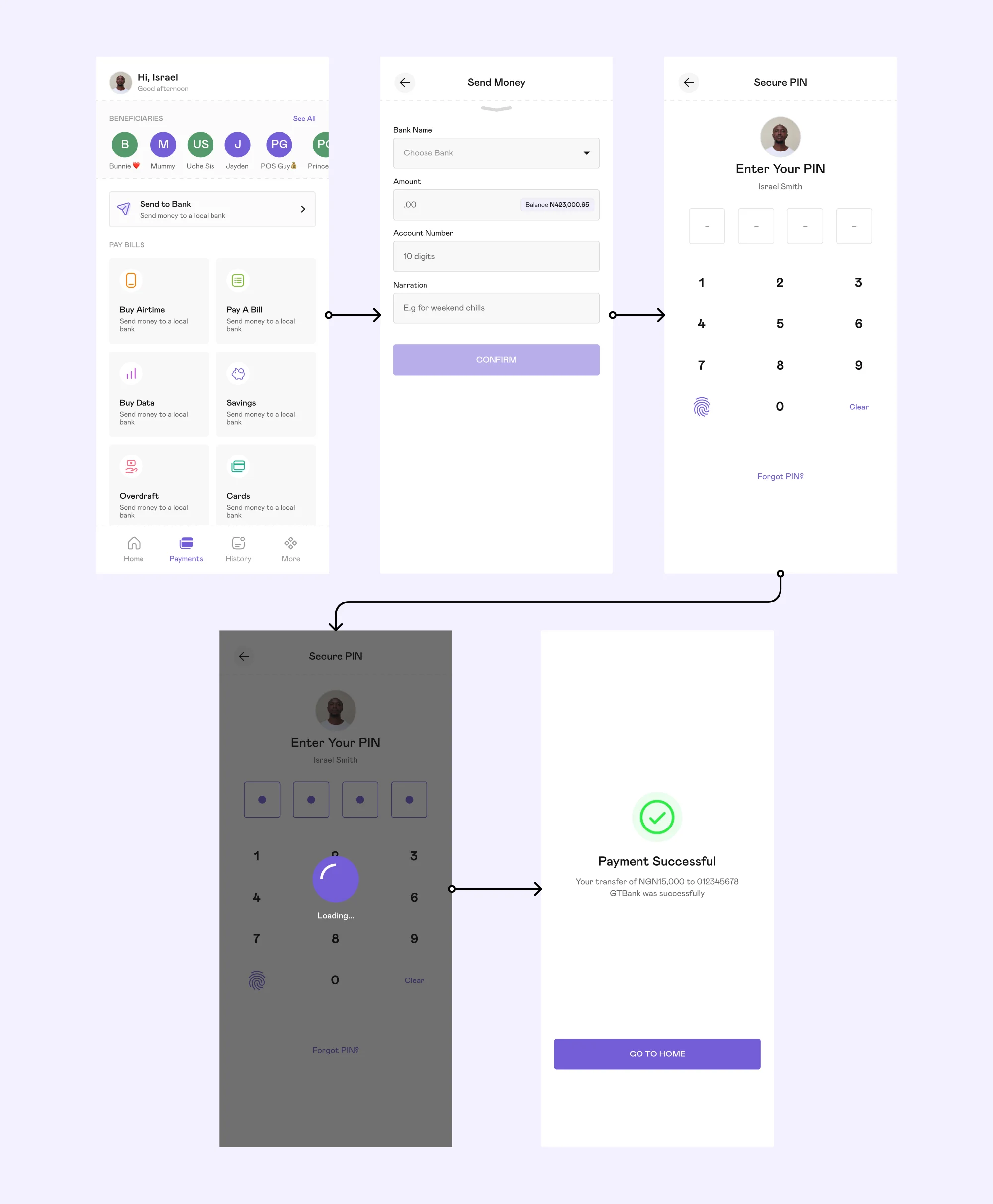
Make payment
Conclusion
The attempt to include the underserved is a slow and steady step to include everyone in finance and have them profit as much as others do. This entire problem and solution requires careful observation and inclusion of this target so as to meet them at the point of their need and at the measure with which they can access and it is my pleasure to be able to contribute a solution to this world problem.
Next project
Zeem
Designing a student-first study-abroad website that makes loans, schools and applications simple to understand.